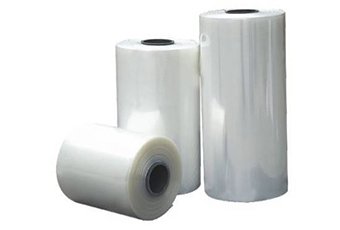

Ultimate Guide to Silage Wrap
Silage wrap is far more than just plastic—it’s an investment in your feed quality, livestock health, and bottom line.
By choosing the right type, applying it correctly, and maintaining it properly, you’ll ensure your silage stays fresh, nutritious, and ready to feed your animals for months.
Whether you’re a seasoned farmer or new to silage, this guide has the tools to help you master the art of perfect preservation.
What is silage wrap?
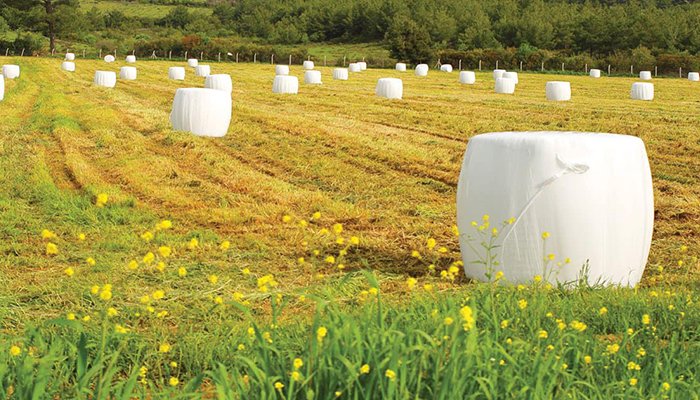
Silage wrap is a plastic film made from polyethylene, primarily used to wrap forage crops such as corn, alfalfa, or grass.
Its key function is to create an anaerobic environment, which enables the fermentation process inside the wrapped bale—converting fresh crops into nutrient-rich, digestible silage.
Why Silage Wrap Is Important?
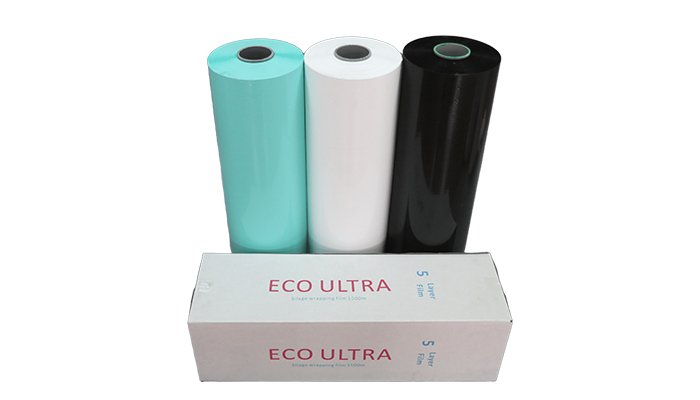
Silage wrap acts as an excellent adhesive barrier, safeguarding the nutritional value of stored forage crops (such as corn, alfalfa, or grass). Well-protected silage bales are shielded from external factors, such as air, moisture, and pests, which are key threats that compromise forage quality.
Oxygen exposure can lead to mold growth, spoilage, and nutrient loss, while moisture infiltration may cause rotting, bacterial contamination, and reduced feed palatability. Pests further degrade silage quality and pose health risks to livestock. By creating a tight, airtight seal, silage wrap minimizes these risks, ensuring the forage remains nutritious and safe for animal consumption.
Types of Silage Wrap: Which One is Right for You?
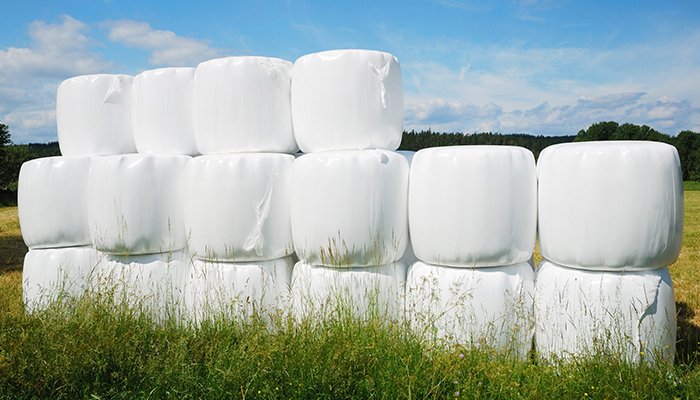
Silage wraps vary by material, thickness, and specialty features. Choosing the right type depends on your crop type, storage conditions, climate, and budget. Here are the most common options:
By Material
Low-Density Polyethylene (LDPE): The most affordable option. It’s flexible, tear-resistant, and suitable for short-term storage (3–6 months). Best for dry climates or small-scale operations.
Linear Low-Density Polyethylene (LLDPE): More durable than LDPE, with higher puncture and tear resistance. It withstands harsh weather (wind, rain) and extends silage life to 6–12 months. Ideal for large-scale farms or wetter regions.
Polyvinyl Chloride (PVC): Less common today due to environmental concerns (contains plasticizers), but still used in some regions. It’s rigid and sticky, making it tricky to apply without specialized equipment.
By Thickness
Measured in “mil” (1 mil = 0.001 inches):
4–6 mil: Lightweight, for short-term storage or small bales (e.g., 1–2 tons).
8–10 mil: Medium-duty, for standard 2–4 ton bales or moderate climates.
12–15 mil: Heavy-duty, for large bales (5+ tons), wet crops (high-moisture corn), or harsh conditions (snow, heavy rain).
By Specialty Features
UV-Stabilized: Contains additives to block UV rays, preventing premature degradation in sunny regions (e.g., the Southwest U.S.).
Anti-Microbial Coated: Treated with agents to inhibit mold or fungal growth (premium option for high-value crops).
Biodegradable: Made from plant-based materials (e.g., cornstarch) to reduce plastic waste (an emerging option, though less durable).
Choosing the right silage wrap tailored to your needs is critical. Factors to prioritize include your region’s temperature and humidity, duration of direct sunlight exposure, compatibility with your baling machine, and the type of forage being wrapped.
Even when using the correct specifications, incorrect wrapping machine speed settings can lead to silage wrap tearing. So, exercise caution during the wrapping process to ensure reliable protection and preserve forage quality.
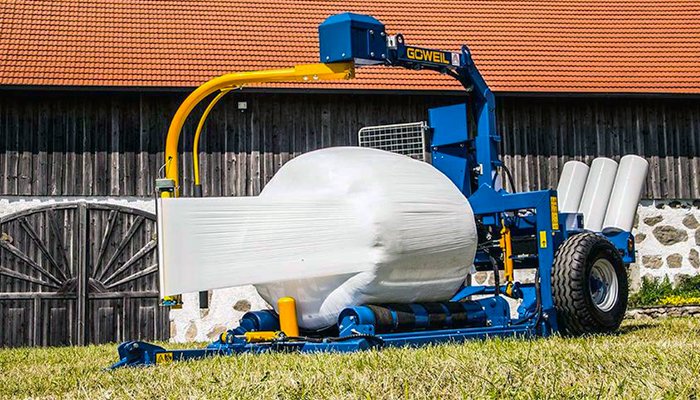
Advantages of Silage Wrap
Silage wrap offers key advantages that enhance forage preservation and operational efficiency. Here are its core benefits:
Creates a Sealed Environment to Enhance Fermentation
The tight seal of silage wrap provides an optimal enclosed space for forage fermentation. This controlled environment ensures the efficient breakdown of fresh crops into nutrient-rich silage.
Maximizes Nutrient Retention in Forage
By minimizing external interference, silage wrap reduces nutrient loss—preserving vitamins, proteins, and digestible components critical for livestock feed quality.
Easy to Transport
Silage-wrapped bales are lightweight and maneuverable, simplifying movement, trading, and on-site management during logistics or storage operations.
Suitable for Long-Term Outdoor Storage
Manufactured with UV-resistant materials, silage wrap protects bales from rain, snow, and moisture damage, making it ideal for extended outdoor storage without compromising quality.
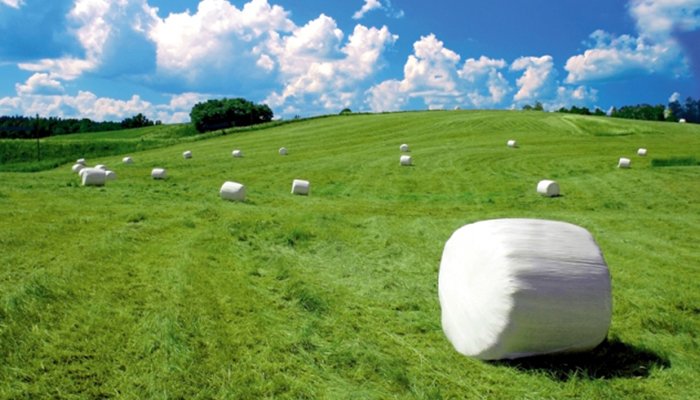
Do Silage Wraps of Different Colors Serve Different Purposes?
When browsing silage wraps, you may notice they come in various colors—common options include white, black, and green. A natural question arises: Does color affect their functionality? The answer is yes. While color does not directly impact the film’s physical properties (e.g., tensile strength and toughness), it indirectly influences silage quality through optical and thermal characteristics.
1. Color’s Impact on UV Resistance
Prolonged exposure to direct sunlight can cause films to become brittle, crack, and lose their seal due to solar radiation, leading to feed spoilage.
- Dark-colored films (black, dark green):
Dark films absorb most ultraviolet (UV) radiation, reducing direct UV damage to the film. However, they still require UV-resistant materials—without them, prolonged heat exposure can accelerate “thermal aging,” where absorbed heat increases molecular movement and oxidation, leading to brittleness.
- Light-colored films (white, light blue):
Light films reflect most visible light and UV radiation, but some UV still penetrates, accelerating film aging. Thus, UV-resistant additives are still necessary to enhance anti-aging performance and compensate for their lighter color.
2. Color’s Impact on Light Blocking and Silage Quality
- Promotes oxidation:Light accelerates reactions between residual oxygen inside the film and unsaturated fatty acids in the feed, causing rancidity (which produces off-odors and reduces palatability).
- Inhibits beneficial bacteria fermentation: Light may suppress the activity of certain bacteria, disrupting the silage fermentation process.
- Encourages mold growth: Incomplete sealing combined with light exposure can create a moist environment where mold thrives, leading to nutrient loss or feed spoilage.
- Light-blocking performance ranking by color: Black > Dark green > White
3. Color’s Impact on Temperature Regulation
- Dark-colored films: Absorb more heat, raising the internal temperature of the wrap (especially in summer). Moderate warming can accelerate fermentation, but excessively high temperatures may kill beneficial bacteria, causing feed spoilage.
- Light-colored films: Reflect most solar radiation, keeping the internal temperature closer to ambient conditions. In cold regions (or winter), light films reduce heat loss, maintaining stable internal temperatures for wrapped bales.
The color of silage wrap primarily influences UV resistance, light blocking, and temperature regulation, indirectly affecting silage quality. The final choice should align with specific needs (e.g., local climate, feed type) rather than prioritizing color slowly.
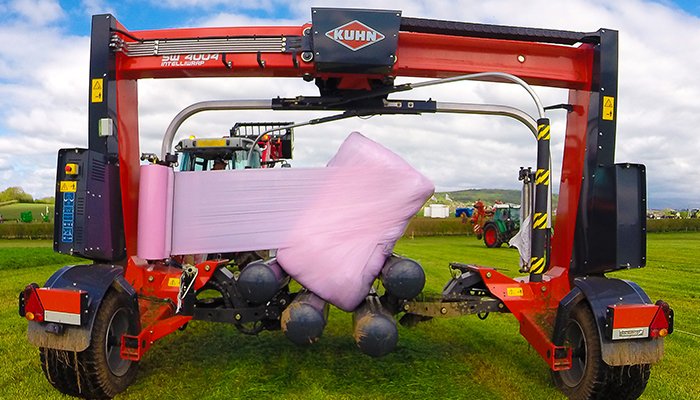
Types of Hay Bale Packaging:
Hay bale packaging plays a critical role in preserving forage quality and ensuring secure storage. Here are the primary types of packaging materials used in modern agriculture:
1. Silage Wrap
A common packaging solution specifically designed for ensiling forage crops like corn, alfalfa, or grass. Silage wrap forms airtight enclosures around baled forage, creating an anaerobic environment that supports proper fermentation—a key process for converting fresh crops into nutrient-rich, digestible silage.
- Prominent Core Functionality
Specifically engineered for silage fermentation, this packaging solution creates a strict anaerobic environment to facilitate the conversion of fresh forage crops (e.g., corn, alfalfa, grass) into nutrient-dense silage. By sealing out oxygen, it ensures efficient preservation of proteins, vitamins, and other critical nutrients, maintaining feed quality from harvest to feeding. - Superior Protective Performance
With an airtight seal, it effectively blocks air, moisture, and pests—common culprits behind mold growth, spoilage, and nutrient loss. This multi-layered protection guarantees consistent feed quality, reducing waste and ensuring reliable nutrition for livestock. - Wide Applicability
Ideal for long-term outdoor storage, this wrap is crafted with UV-resistant materials to withstand harsh weather conditions (e.g., sunlight, rain, temperature fluctuations). Its durability makes it a versatile choice for farmers across diverse climates and storage environments. - Easy Management
Baled forage wrapped in this material is lightweight, compact, and easy to handle, streamlining transportation and trading processes. Its standardized size and shape simplify logistics, saving time and labor costs for producers and buyers alike.
2. Net Replacement Film (NRF)
A polyethylene-based film engineered to enhance forage preservation. Unlike traditional wrapping films, NRF offers superior oxygen barrier properties, minimizing oxygen infiltration that can cause spoilage. Additionally, its recyclable design aligns with sustainable farming practices, making it a preferred choice for eco-conscious producers.
3. Bale Net Wrap
A polyethylene-woven netting material used to secure bales and prevent them from unraveling during storage or transport. Unlike film-based wraps, net wrap focuses on mechanical stability, ensuring bales remain tightly bound even under rough handling.
4. Twine (Traditional Rope)
A conventional packaging method using natural or synthetic rope to tie bales. While historically common, twine has declined in use due to drawbacks such as limited moisture resistance, higher labor requirements for tying, and increased risk of bale damage compared to modern film or net options.
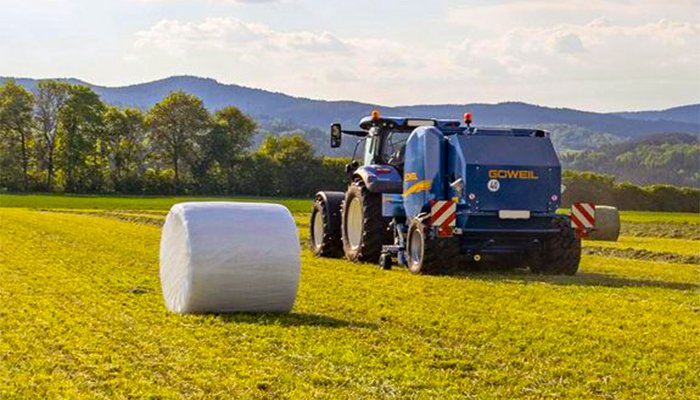
Proper Application Steps & Tips for Silage Wrap Film
Correctly applying silage film is critical for preserving forage quality and ensuring long-term storage. Below are the key steps and best practices for optimal results:
1. Pre-Treatment Requirements
Inspect and clean the bale surface thoroughly before wrapping. Remove debris, rocks, or uneven areas to ensure full film adhesion and prevent tears during the wrapping process.
2. Wrapping Specifications
Choose wrapping methods based on bale type (e.g., round bales, square bales) to maximize coverage. Maintain a 50%-70% overlap between film layers to seal gaps and prevent oxygen or moisture infiltration.
3. Layer Recommendations
Adjust the number of film layers according to bale thickness and storage duration:
For short-term storage (up to 3 months), 4-5 layers are sufficient.
For long-term storage (over 3 months), use 6-8 layers to enhance protection against environmental factors.
4. Equipment Operation Tips
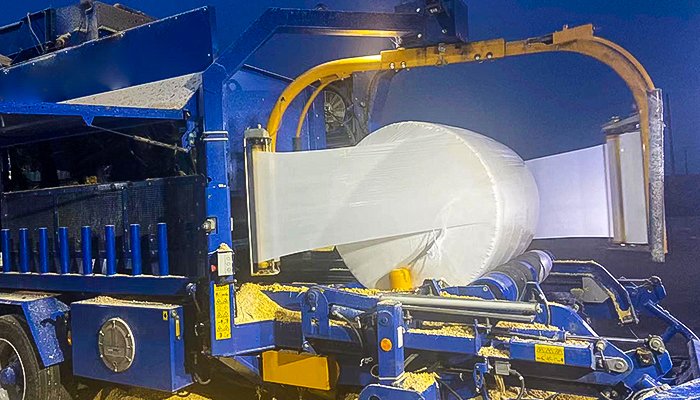
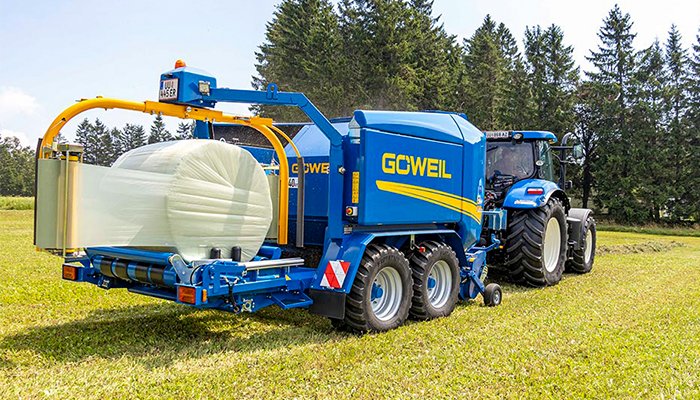
Calibrate parameters: Before starting the wrapping machine, adjust settings (e.g., tension, speed) to match the film type and bale size.
Monitor adhesion: Continuously check that the film adheres tightly to the bale surface during wrapping—loose areas may require repositioning or adjusting the machine’s rotation speed.
Adjust promptly: If wrinkles or gaps form, slow down the rotation speed to ensure even, secure wrapping.
Silage Wrap Film Maintenance & Damage Repair
Proper maintenance and timely repair of silage film are essential for preserving forage quality and extending the lifespan of stored bales. Below are key steps and best practices for maintenance and damage repair:
- Routine Inspections
During storage, conduct regular checks to inspect the film for holes, tears, or bulges. Early detection of damage helps prevent small issues from escalating into larger problems that compromise forage integrity. - Damage Repair
Small holes or tears: Use silage film repair tape to cover the damaged area, ensuring at least a 5cm overlap around the edges to secure the seal.
Larger tears: Cut a piece of the same type of silage film to cover the damaged section, then press it tightly against the bale to seal the gap and prevent oxygen or moisture infiltration. - Bale Stacking Guidelines
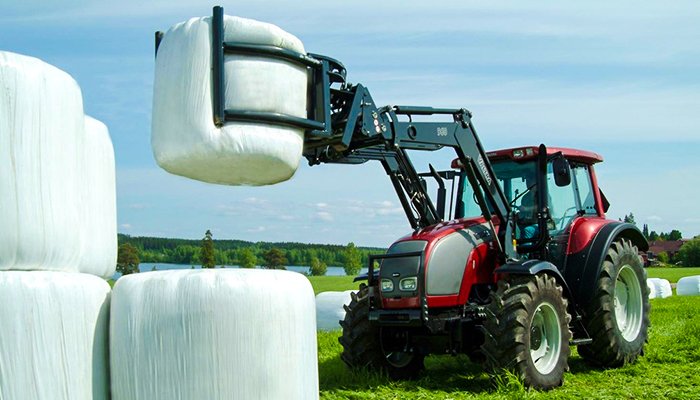
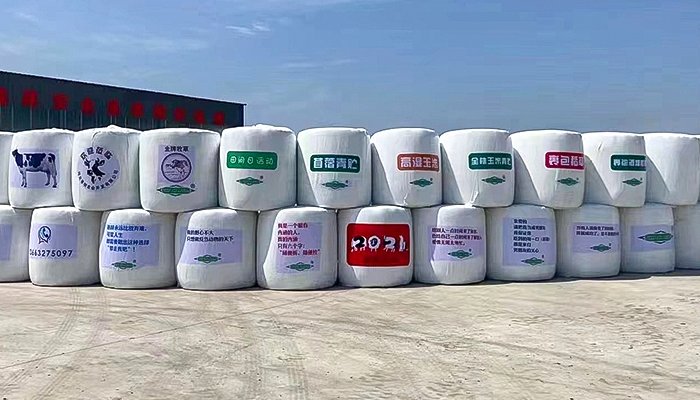
Stack height: Avoid stacking bales higher than 3 layers to prevent bottom bales from being compressed and deformed, which can tear the film.
Spacing: Maintain a 5-10cm gap between adjacent bales to improve ventilation and make inspections easier, reducing the risk of hidden damage.
Common Issues with Silage Film
Understanding common challenges with silage film helps maintain optimal forage preservation. Here are key issues, their causes, and actionable fixes:
1. Sealing Failure
Manifested by mold growth or foul odors at the bale edges, typically caused by insufficient overlap during wrapping or film damage. Immediate rewrapping or isolating the damaged section is required to prevent further spoilage.
2. Film Aging
If the film becomes brittle or discolored within a short period, it may be due to using non-UV-resistant film or excessive light exposure in the storage environment. Replace it with a climate-appropriate film featuring UV-resistant materials to extend its lifespan.
3. Poor Fermentation
Signs include loose silage texture or darkening color, often indicating an incomplete anaerobic environment. Check the wrapping process to ensure full sealing—proper overlap and tension are critical for creating an airtight barrier that supports fermentation.
Key Considerations for Purchasing & Storing Silage Wrap Film
Properly selecting and storing silage wrap film is critical for ensuring optimal performance during forage preservation. Here are essential guidelines to follow:
1. Purchase Guidelines
When buying silage wrap film, verify key specifications to match your needs:
Thickness: Impacts durability and puncture resistance.
Tensile strength: Determines how well the film withstands stretching during wrapping.
Adhesiveness: Ensures a secure seal to prevent oxygen or moisture infiltration.
Light transmittance: Affects photosensitivity and heat retention.
Choose a film explicitly designed for your local climate—e.g., UV-resistant options for regions with high sunlight exposure.
2. Storage Guidelines
Unused silage wrap film requires careful storage to maintain its properties:
Location: Store in a dry, cool area away from direct sunlight and extreme heat (e.g., warehouses or shaded storage units).
Shelf life: Typically, unopened silage wrap film has a shelf life of 12-18 months when stored under recommended conditions.
Conclusion
Investing in premium silage wrap delivers more than just durability: it reduces nutrient loss, minimizes mold risks, and leverages convenient transportation and long-term storage capabilities to create lasting value for your ranch operations. When seeking reliable, high-performance silage wrap, GuangYuan Packaging is your trusted partner. We offer customized solutions tailored to your specific needs, ensuring every investment translates into healthier livestock and stronger farm revenue.