


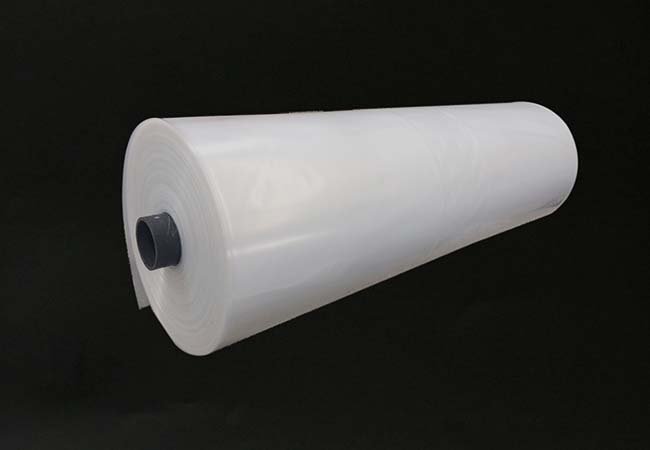
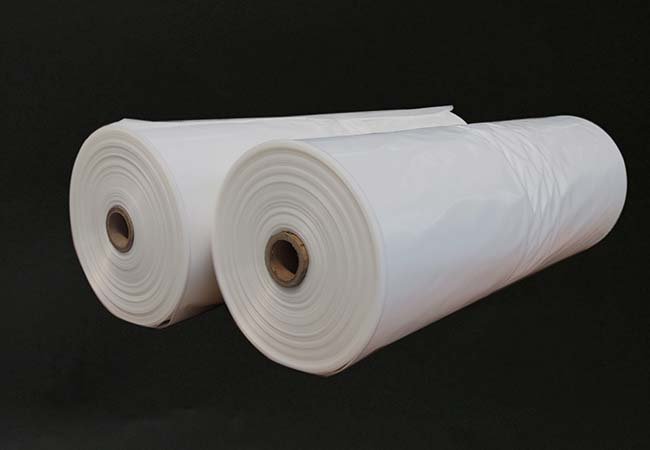
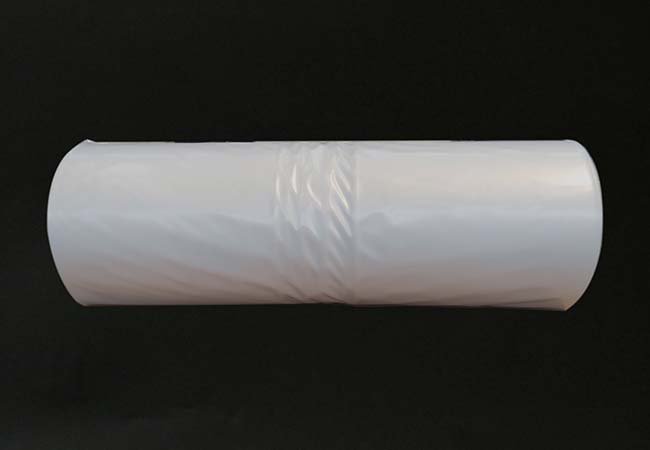
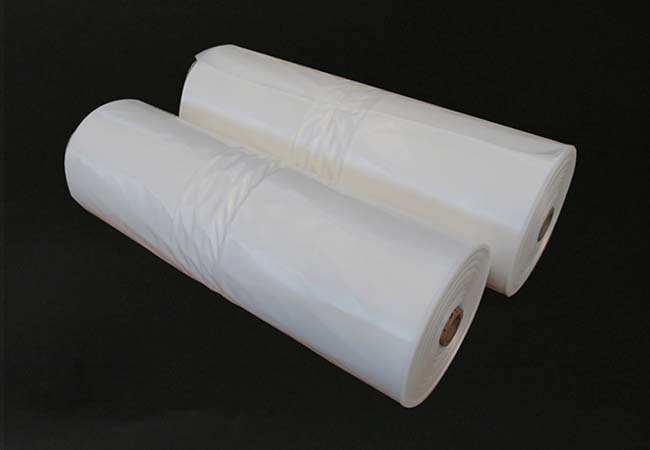
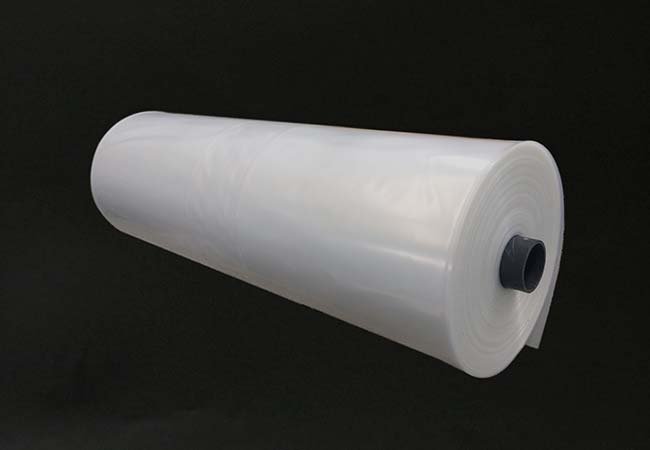
Shrink Hood Film
•360° Full Enclosure Protection
•High Tear Resistance
•Smart Heat-Shrink Adaptation
•User-Friendly Operation
•Lightweight Cost Reduction
High Shrink Ratio
Shrink Hood Film achieves a shrinkage rate of 60%-80% when heated, enabling it to conform to product contours while providing airtight protection.
With an oxygen transmission rate <0.5 cm³/m²·24h·bar (superior to standard PE films), it effectively reduces air exposure for enhanced cargo protection.
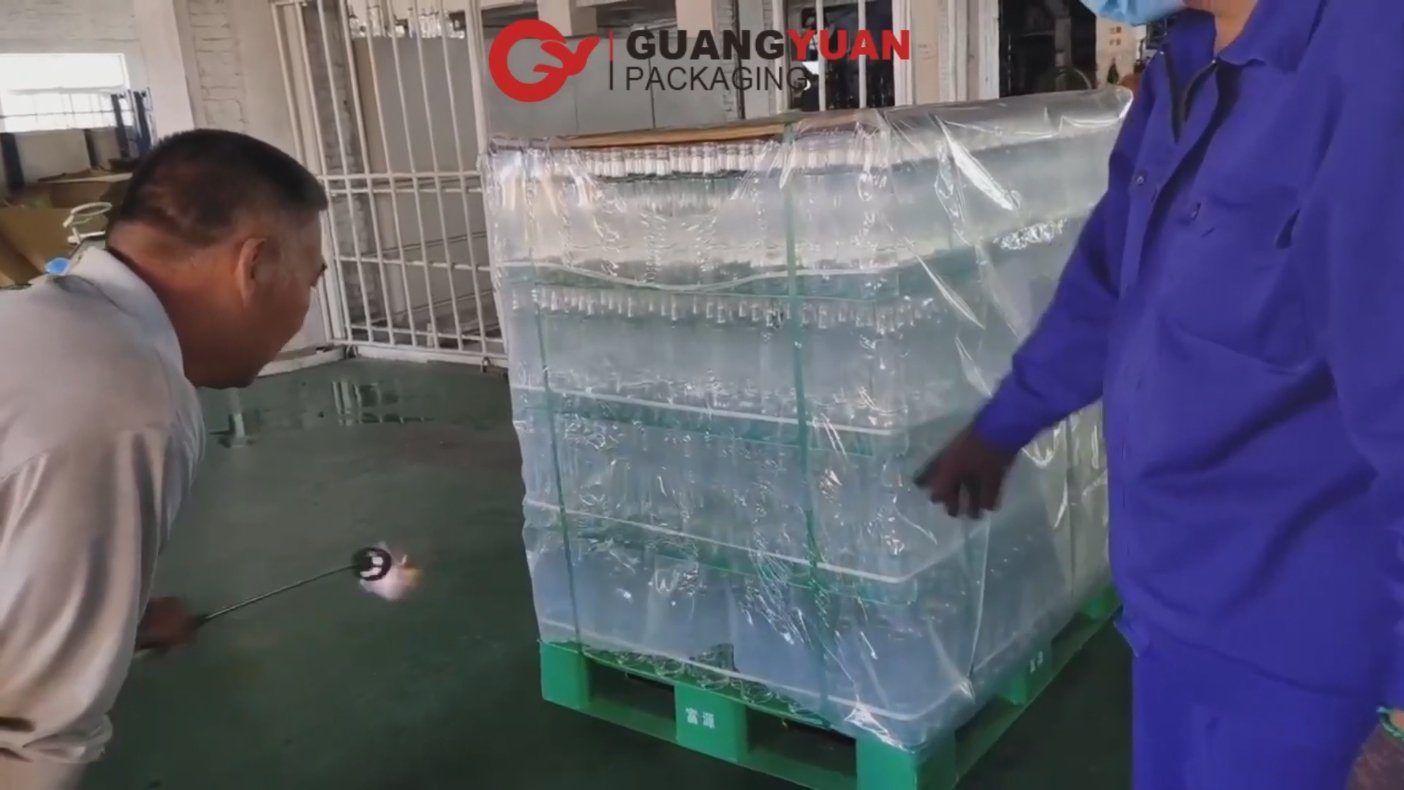
Main Application Areas
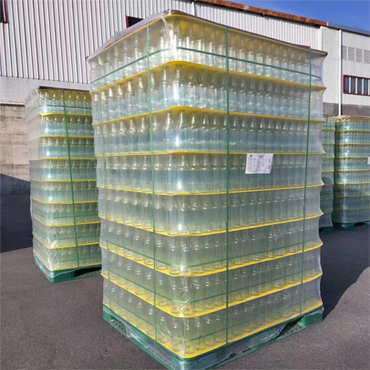
Applies to labeling and seal reinforcement for glass bottles, aluminum cans, and PET bottles. Covers bottle openings or bodies, replacing conventional labels while enhancing moisture resistance and abrasion resistance.
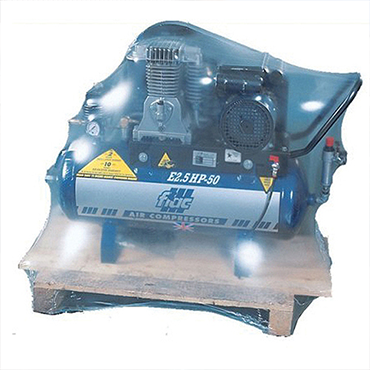
Anti-static coating safeguards sensitive components from electrostatic discharge.
Lightweight packaging reduces logistics expenses; integrated strapping secures components against vibration and impact damage.
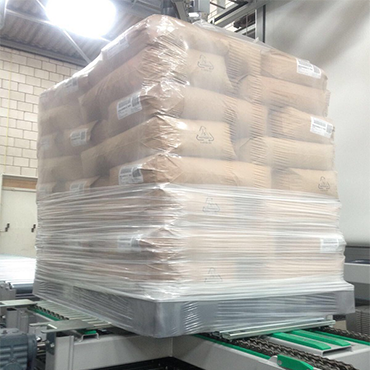
Palletized load unitization and express package reinforcement. Shrink-wrapping palletized goods to enhance structural stacking integrity, mitigating loosening risks. Water-resistant and tear-proof materials shield fragile items from damage.
- Comparison with Traditional Stretch Wrap
| Aspect | Shrink Hood Film | Traditional Stretch Wrap |
| Material efficiency | Up to 50% less plastic | Higher material consumption |
| Protection | Airtight, moisture-proof | Relies on friction for stability |
| Automation | Compatible with heat-shrink machines | Manual labor-intensive |
| Shelf life | Extends product freshness by years | Short-term protection only |
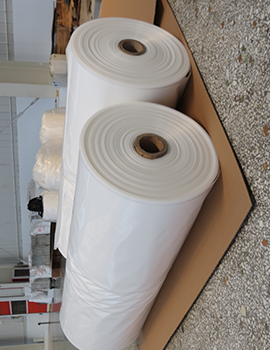
Superior Barrier Protection
Shrink Hood Film utilizes a multi-layer co-extrusion process to effectively block the penetration of oxygen, water vapor, grease, and odors.
With an oxygen transmission rate 5 times lower than traditional PE films, it offers superior moisture resistance, significantly extending the shelf life of sensitive items such as food and electronics.
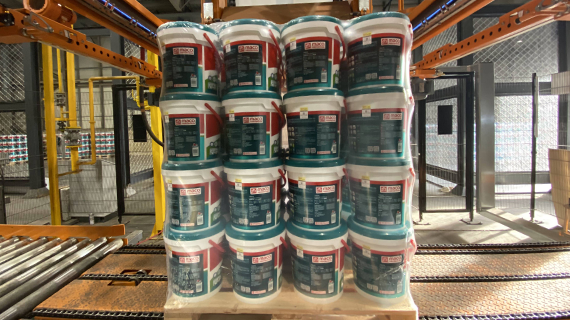
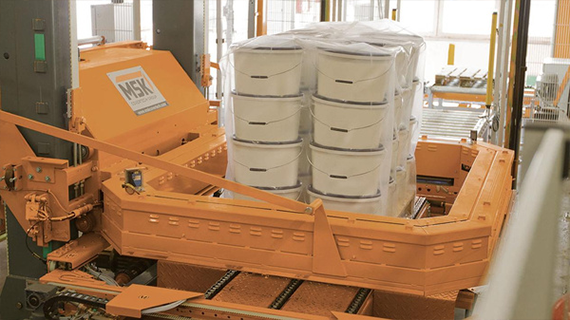
Ultra-Lightweight and Eco-Conscious Design
Shrink Hood Film is available in thicknesses of 10μm to 30μm, offering approximately 50% weight reduction compared to traditional PE films, significantly lowering transportation costs.
Its incorporation of recycled plastics balances lightweight performance with sustainability. The production process reduces carbon emissions by approximately 45% versus conventional PE films, emphasizing eco-friendly and sustainable manufacturing practices.
Custom specifications are supported—contact us with your requirements to receive tailored solutions and exceptional service.
Related Products
For more information about our products, please feel free to contact us directly.
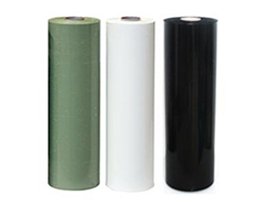
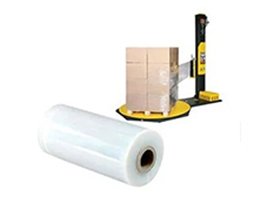
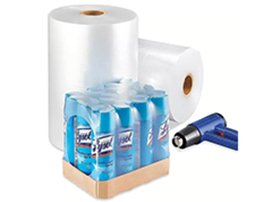
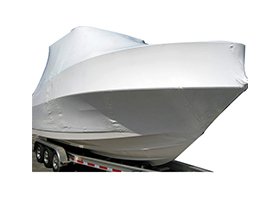
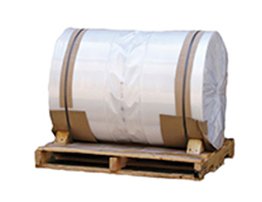
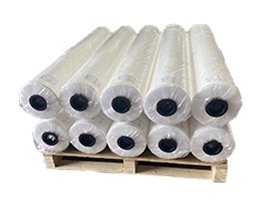
Shrink Hood Film applies to a wide range of industries beyond those previously mentioned, including food packaging, electronics packaging, agriculture, horticulture, and more.
Its core advantages include:
- Lightweight
- High Barrier Properties
- Customizable Formability
- Eco-Friendly & Recyclable
- Superior Protective Performance
- Clear Markings & Cost Efficiency
Below are some common questions and answers about Shrink Hood Film.
FAQ
Does your shrink hood adhere to product surfaces, or is it designed for non-stick heat-sealing applications?
Guangyuan packaging shrink hoods are formulated for non-fusion packaging. No adhesion to underlying packaging. The 5-layer co-ex hood has an inner layer that guarantees non-fusion; there is no risk that the wrap and the load will adhere to each other.
Can your shrink hood conform to irregularly shaped items?
Yes, the film is well-suited for irregular-shaped loads, and the film will shrink tightly around the contours of the pallet and load, without adhering to the packaged articles within.
How Do I Apply a Shrink Hood Film?
The Right Pallet Packaging Methods Help Efficiency and Product Quality.
1. Take an LDPE shrink hood and place it over the pallet.
2. Using a heat shrink gun or heat tunnel, start to apply heat from an approximate distance of 12 inches to the bottom of the pallet.
3. Using a sweeping motion left to right, work your way up the pallet applying a continual heat evenly over the product.
4. It is shrunk by means of heat, which keeps the load and pallet tightly together.