

In the process of cargo transportation and storage, shrink film plays an important role in protection, sealing, aesthetics and improving logistics efficiency, and is an integral part of the modern packaging industry. Now I will give you a comprehensive understanding of shrink film.
What Is Shrink Film?
Shrink film is a plastic film that shrinks and fits tightly to the surface of an object under heating conditions. It is usually made of materials such as polyethylene (PE), polyvinyl chloride (PVC) or polypropylene (PP). It relaxes its molecular structure by heating, so that it shrinks when cooled to form a tight package.Shrink film is widely used for product protection, sealing and aesthetic packaging. It is commonly seen in the packaging of food, beverages, medicines and other consumer goods. It can effectively prevent dust, moisture and damage, while providing good visual effects.
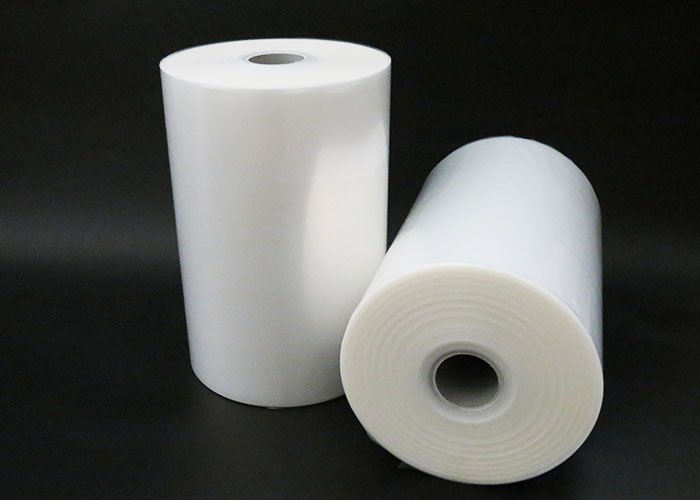
Characteristics Of Shrink Film For Product Packaging
Shrinkability:
Under heating conditions, the film can shrink quickly and fit the shape of the object closely, forming a good packaging effect.
Transparency:
Many shrink films have good transparency and can clearly display the product inside the package, improving visual appeal.
Strength and durability:
Shrink film usually has good tear and puncture resistance, which can effectively protect the product and reduce damage.
Tightness:
The shrink film can effectively seal the product, prevent moisture and air from entering, and extend the shelf life of the product.
Printability:
The shrink film surface is easy to print, and various patterns and labels can be added to enhance the market competitiveness of the product.
Anti-ultraviolet linearity:
Some shrink films have anti-ultraviolet properties, which can protect the products inside the package from deterioration caused by sunlight.
Temperature resistance:
The shrink film can withstand certain high and low temperatures and adapt to different storage and transportation conditions.
Environmental protection:
Many shrink films can be recycled and meet the requirements of sustainable development.
These characteristics make shrink film widely used in the packaging industry for the packaging of food, beverages, pharmaceuticals and other commodities.
How Does Shrink Film Work?
Shrink film is mainly made from thermoplastic materials like polyethylene (PE), polyvinyl chloride (PVC). These materials become soft and flexible when heated. When the film reaches a certain temperature, the molecular structure breaks down, allowing the polymer chains to move freely. This process causes the film to shrink tightly around its contents. As the film cools, the polymers solidify again, wrapping securely around the object.
What Are the Different Types of Shrink Film?
Shrink film can be divided into four categories (PVC shrink film, PE shrink film, POF shrink film and other shrink film) according to different raw materials and processes.
PVC Shrink Film
Features: Polyvinyl chloride (PVC) shrink film has good transparency and strength, is easy to print, and is suitable for a variety of colors and patterns.
Application: Widely used in the packaging of food, beverages, toys and gifts, especially in the retail industry.
Advantages: Relatively low cost, easy to shape and process.
Disadvantages: Poor heat resistance, usually cannot be used in high temperature environments.
PE shrink film
Features: Polyethylene (PE) shrink film is durable and thick, usually with good flexibility.
Application: Commonly used for industrial packaging, pallet packaging and whole-piece packaging of bulk commodities.
Advantages: Low cost, strong impact resistance, not afraid of moisture, large shrinkage rate, suitable for heavier items.
Disadvantages: Low transparency, printing effect is not as good as PVC.
POF shrink film
Features: Polyolefin (POF) shrink film has good transparency, flexibility and tear resistance, high shrinkage rate and heat resistance, which enables it to remain stable in high temperature environment.
Application: Commonly used in the packaging of high-end food, beverages and consumer goods, suitable for long-term storage.
Advantages: Excellent moisture resistance and heat resistance, suitable for high-temperature disinfection.
Disadvantages: High cost, not as common as PVC and PE.
In addition to the above three commonly used shrink films, there are also PET shrink films, PLA shrink films, OPS shrink films, etc. on the market. They all have their own advantages and applicable types. You can choose the appropriate type of shrink film according to your needs.
What Benefits Does Shrink Film Offer?
Seven benefits of shrink film being widely used:
1. Shrink film can be used to package special-shaped products that are difficult to package with general methods, such as giant industrial products, fruits and vegetables, toys, gadgets, small electronic products, etc.
2. The shrink film has high transparency and fits tightly to the product after shrinking. The packaging is compact and can show the appearance of the product. The packaged product is beautiful.
3. Safe and non-toxic: The materials used in shrink film are non-toxic and it is the only certified green packaging material in the United States.
4. High shrinkage rate: The shrinkage rate of shrink film can reach up to 75%, which is suitable for collective packaging of multiple items and convenient for transportation. It can also meet the shrinkage requirements of different commodities.
5. Strong cold resistance: Even at minus 50 degrees Celsius, its physical properties will not change, so it is suitable for packaging and transportation of frozen foods.
6. Good flexibility: It can prevent the packaged items from being impacted by external forces and protect the packaged items.
7. Low packaging cost, good quality and low price.
What Is Shrink Film Used For?
The characteristics and advantages of shrink film make it widely used in various fields
Chemical industry:
Chemical products are mostly packaged in cartons, but cartons are not moisture-proof, so shrink film is needed as the outer packaging of the cartons. Shrink film has excellent moisture resistance and sealing properties, which can extend the storage time of chemical products.
Beverage industry:
The beverage industry requires the outer packaging to have good integrity and shelf appeal. The combination of high-transparency shrink film and color printing not only reduces the cost of the beverage and mineral water industry but also perfectly attracts the attention of consumers.
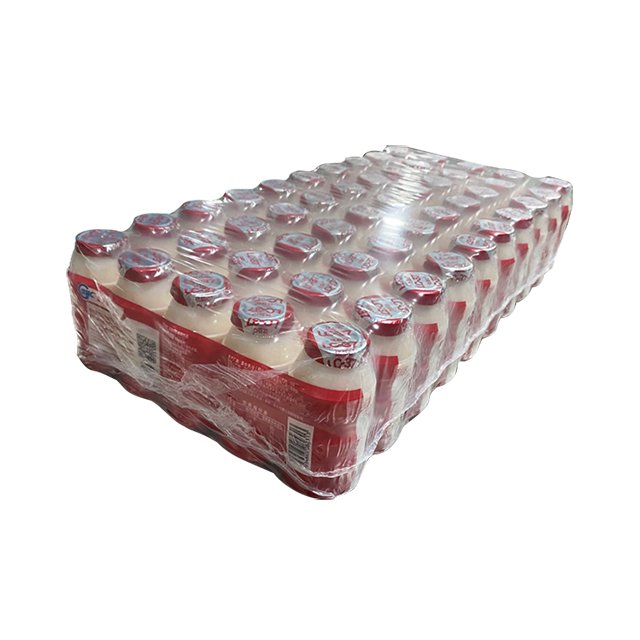
Building materials industry:
The building materials industry requires that outer packaging materials have good dustproof properties, excellent toughness and puncture resistance. These requirements are fully met by shrink film, so that building materials can be kept clean and tidy during transportation and construction sites without loose packages.
Daily chemical industry:
The market for daily chemical products is huge. To meet the diverse needs of consumers, shampoo, shower gel and other daily cleaning products are usually packaged in two or four pieces during promotion to facilitate consumer purchases. Bundling and shrinking is currently the most commonly used and effective packaging method for promotions in the daily chemical industry.
Beer industry:
When beer is sold, it needs to be fixed in multiple packages just like beverages and daily chemical products. Shrink packaging can play a fixing role, and it is strong in toughness and not easy to break. It is suitable for packaging heavy goods such as beer.
Logistics center:
When transporting goods to various distribution centers, the logistics center needs to secure different goods together. This requires outer packaging that is convenient for transportation, secures different goods together, and is dust-proof and waterproof. Shrink film can perfectly meet industry needs.
How Do You Test For Shrink Film?
Testing the quality and performance of shrink film can be done in the following ways:
Visual inspection:
Check the film surface for obvious defects such as bubbles, wrinkles or damage.
Shrinkage test:
Heat the film at a certain temperature and measure its dimensional changes before and after shrinkage to determine whether the shrinkage meets the standard.
Tear resistance test:
Stretch the film with a certain force to check its tear resistance
Transparency test:
Observe the transparency of the film under light to ensure it meets packaging requirements
Heat seal test:
Test the heat seal performance of the film to ensure a good sealing effect.
Anti-oxidation and anti-UV testing:
Expose the film under specific conditions and observe changes in durability and appearance.
Shrink Film Packaging Machine
A shrink packaging machine is used to wrap products in shrink film and make the film shrink and fit tightly around the product’s surface using heat. Depending on how they operate and their technology level, shrink packaging machines can be divided into two main categories: manual and automatic.
Manual shrink packaging machine
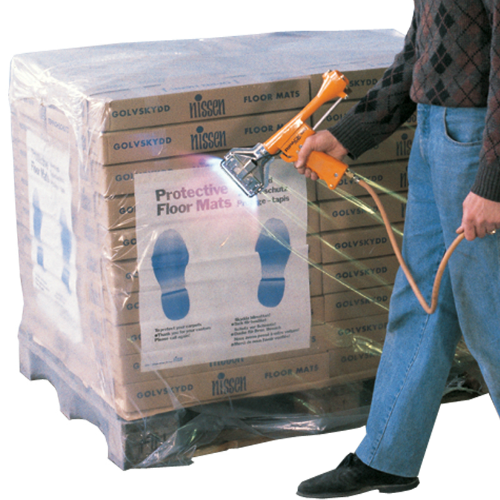
Manual operation usually requires manually placing the product into the packaging film, and then using a hot air gun or heat shrink oven to heat and shrink it.The structure of the manual shrink packaging machine is relatively simple, usually consisting of a hot air gun and a workbench. Due to the simplicity of the equipment, the initial investment is relatively low, which is suitable for small enterprises or occasions with low production requirements.
Manual shrink packaging machines are flexible and suitable for products of many different shapes and sizes. Operators can adjust them at any time as needed. However, due to the need for manual operation, the production efficiency is relatively low and it is suitable for small batch production. The temperature and time of the hot air gun need to be manually controlled, which may affect the packaging quality.
Automatic shrink packaging machine
Fully automatic or semi-automatic operation, usually equipped with a conveyor system, automatically completes the product film, shrinking and cooling processes. It can achieve continuous operation, improve production efficiency, and is suitable for large-scale production. You can choose different models of shrink packaging machines according to your needs, including shrink ovens, shrink packaging machines, sealing machines and other combined equipment
Many automatic shrink packaging machines are equipped with PLC control systems, which can accurately control temperature, time and shrinking effect, improving packaging consistency and quality. Some high-end models can quickly adjust the packaging parameters of different products to adapt to multi-variety packaging. Modern automatic shrink packaging machines adopt energy-saving design to reduce energy consumption and improve economic benefits.
Environmental Considerations
The environmental impact of shrink film recycling is significant. It can reduce the negative impact on the environment and realize the recycling of resources.
Different types of shrink films have different environmental performance in terms of recycling。PE shrink film is easy to recycle, produces less harmful gases when burned, and has less impact on the environment。POF shrink film is also environmentally friendly. Its material composition is mainly polyolefin, which has a high recycling value.
Through recycling and regeneration, shrink film can be reprocessed into new packaging materials or other plastic products, thus realizing the recycling of resources.
Cost Analysis
The cost advantage of shrink film is mainly reflected in its efficient production and low price.Using shrink film for packaging can effectively reduce the cost of use, usually only about 50% of carton packaging.
The cost advantages of shrink film are specifically reflected in the following aspects:
High production efficiency: The production process of shrink film is relatively simple and can be produced on a large scale, thus reducing the manufacturing cost of each unit.
Low material cost: Shrink film’s relatively low material cost, and its durability and corrosion resistance make it an economical and practical option
Low transportation cost: Since the shrink film is small and light, the transportation cost is also reduced accordingly.
Environmentally friendly materials: PE shrink film is a degradable packaging material with less impact on the environment, meets environmental protection requirements, and reduces environmental protection costs。
Troubleshooting Common Issues
Common problems and solutions when using shrink film:
1. Uneven shrinkage
Reason: Uneven heating temperature, film quality problem.
Solution: Ensure uniform hot air circulation, check the performance of the heating equipment, and choose a good quality shrink film.
2. Film rupture
Reason: over-stretching, high or uneven temperature.
Solution: adjust the stretching force and heating temperature, and use a film material of appropriate thickness.
3. Insufficient shrinkage
Reason: Insufficient heating time or too low temperature.
Solution: Extend the heating time, increase the heating temperature, and ensure that the shrinkage characteristics of the film are fully utilized
4. Bubbles and wrinkles
Reason: Air was not exhausted during packaging or the film was damp.
Solution: Use vacuum equipment to exhaust air and ensure that the film is dry.
5. Adhesion problem
Reason: membrane surface contamination or material incompatibility.
Solution: Clean the membrane surface and choose the appropriate membrane for packaging.
6. Damage to packaged items
Reason: Shrink film is too tight or shrinks unevenly.
Solution: Adjust the tension of the film according to the characteristics of the item to ensure flexibility during shrinkage.
7. Cost control
Reason: Waste or unreasonable use of film materials.
Solution: Rationally design packaging solutions, optimize film usage, and conduct cost analysis
In response to these problems, adjustments and optimizations can be made according to actual conditions to ensure the effective use of shrink film and packaging effect.
Case Studies and Examples
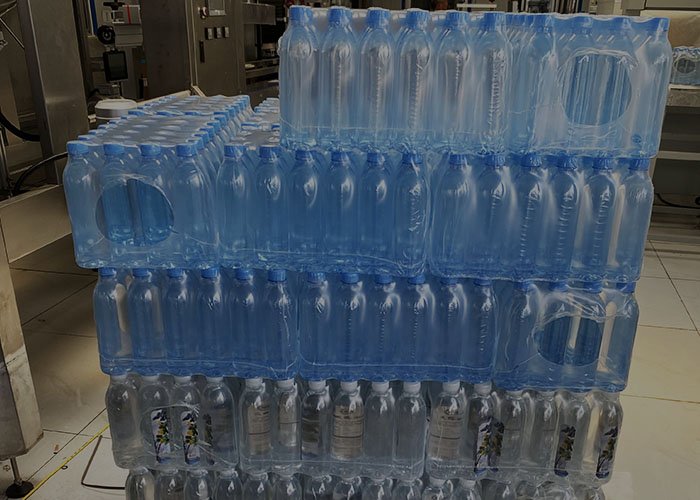
An example of successful application of shrink film in real life is the bundling of bottled beverages, especially mineral water or beer. Bottled beverages, especially mineral water and beer, are often sold in bundles of multiple bottles. This method is convenient for consumers to purchase, and also convenient for merchants to transport and display. However, traditional bundling methods may cause bottles to shift, tip over or break during transportation or storage. Therefore, it is particularly important to adopt effective packaging methods.
Application Process
1. Material Selection Choose suitable shrink film, typically made of polyethylene (PE) material, which offers good transparency and strength, capable of withstanding certain pressures.
2. Packaging Process
Arrangement: Arrange multiple bottles of beverages neatly on a conveyor belt, preparing for bundling.
Film Application: Apply shrink film to the exterior of bottled beverages, ensuring that the film covers all bottles.
Heat Sealing: Seal the bottom of the film using heat sealing equipment to ensure tight adherence of the film to the bottle body.
3. Shrink Processing Place packaged beverages into a heat shrink tunnel, typically heated to a temperature of 60-80°C, causing the film material to shrink and tightly wrap around the bottles.
After shrink packaging, mineral water or beer is protected during transportation, with a lower breakage rate and enhanced stability; it is easy to carry and stack, and improves space utilization; the transparent shrink film displays the brand and color of the bottled beverage, increasing the visibility and attractiveness of the product and attracting consumers to buy; compared with traditional plastic strapping, shrink film is lighter and reduces the use of materials, which helps reduce packaging costs and environmental impact。
Successful Examples
Take a well-known international beverage brand as an example. The brand uses shrink film to package its bottled mineral water. After implementing this packaging method, the damage rate during transportation was reduced by 40%. At the same time, due to the better visual effect, the sales volume of the product increased by 15%. Consumers also gave very positive feedback on this packaging method, believing that it is convenient and beautiful.
This application demonstrates the importance of shrink film in improving product transportation safety, enhancing market competitiveness and consumer experience, and is a successful example of modern packaging technology.
Shrink packaging is becoming more and more popular in our lives, and it also brings a lot of convenience to our production and life. When choosing shrink film, you can choose the corresponding film material according to the properties of the product (such as weight, shape, and whether it is fragile). Comprehensive consideration can more effectively select the appropriate shrink film to meet specific packaging needs.

